Understanding the Nutritional Benefits of Key Ingredients
In today's fast-paced world, understanding nutrition has become essential not only for our health but also for our overall well-being. From herbs like ginger and lemongrass to the ubiquitous egg, each ingredient we consume carries its unique set of benefits. When exploring options, เว็บสล็อต provides comprehensive insights that can help us make informed dietary choices.
What is the Role of Ginger in Health?
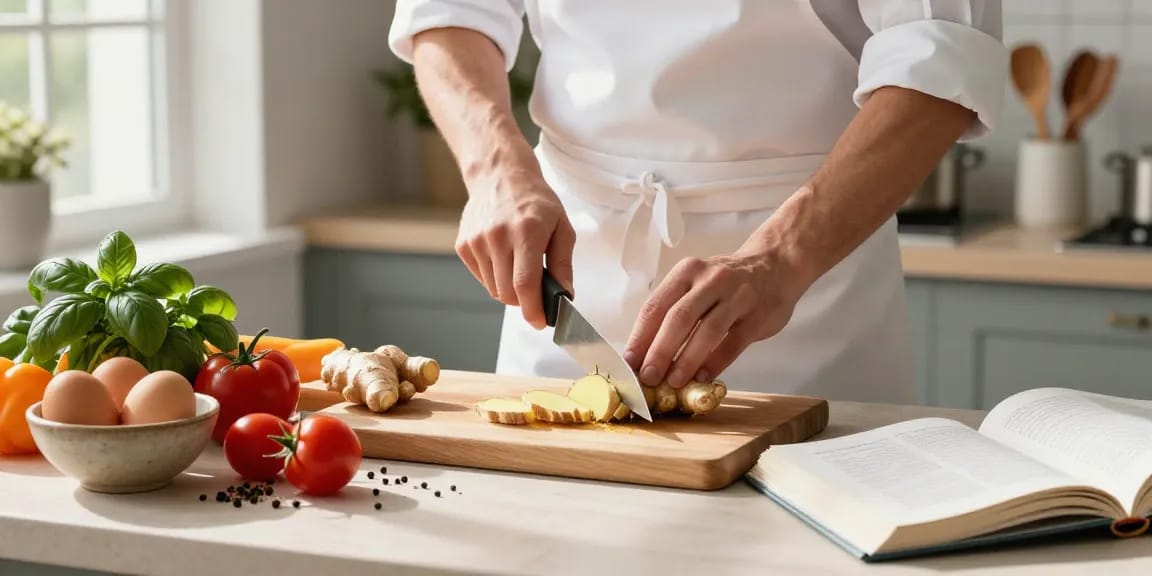
Ginger is more than just a culinary spice; it is a powerhouse of health benefits. Renowned for its anti-inflammatory and antioxidant properties, ginger can help alleviate gastrointestinal discomfort, improve digestive health, and even reduce muscle pain and soreness. Recent studies suggest that ginger may also play a role in managing nausea, particularly during pregnancy and chemotherapy.
Exploring the Nutritional Profile of Eggs
Eggs are often hailed as one of the most nutritious foods available. A single large egg contains about 6 grams of protein and a wealth of essential vitamins and minerals, including vitamin B12, riboflavin, and selenium. The yolk, often mistakenly avoided, contains most of the nutrients, including choline, which is essential for brain health. Including eggs in your diet can support weight management due to their high protein content, which increases satiety and reduces hunger.
How Do Herbs Like Lemongrass Enhance Flavor and Nutrition?
Lemongrass is a fragrant herb that adds a unique flavor to dishes, particularly in Southeast Asian cuisine. Beyond its delightful taste, lemongrass comes with numerous health benefits. It is rich in antioxidants and has properties that may help lower cholesterol levels and alleviate digestive issues. Additionally, its antimicrobial properties can help fight infections, making it a valuable addition to your diet.
Integrating Culinary Knowledge into Everyday Cooking
Incorporating nutritious ingredients into your cooking can be both easy and enjoyable. With the right approach, you can enhance not only the flavor but also the health benefits of your meals. Here are some practical tips to get you started.
Practical Tips for Using Spices and Herbs
Spices and herbs are often underutilized in many kitchens. Here are some practical ways to integrate them into your meals:
- Start Small: Begin by adding a pinch of spices to your dishes and gradually increase the amount as you become comfortable with the flavors.
- Blend Flavors: Combine herbs like basil and oregano for pasta dishes, or cilantro and mint for salads, to create depth in flavors.
- Infuse Oils: Use infused oils with garlic or rosemary as a base for marinades or dressings to enhance dish flavor.
Crafting Delicious Recipes with Common Ingredients
Many nutritious dishes can be made with simple ingredients commonly found in your pantry. For example, a quick stir-fry with ginger, garlic, and whatever vegetables you have on hand can provide a flavorful and healthy meal. Eggs are versatile; consider an omelet with spinach and cheese, or a frittata packed with seasonal vegetables for a hearty breakfast.
Understanding Caloric Values for Meal Planning
Understanding caloric intake is vital for effective meal planning. For instance, knowing the caloric value of ingredients can help you balance meals for weight management or muscle gain. Incorporating high-fiber foods can help you feel full and satisfied, while protein sources like eggs can aid in muscle repair and growth after workouts.
Overcoming Culinary Challenges at Home
Even experienced cooks face challenges in the kitchen, but with a few tips, you can overcome common hurdles. Knowing how to handle cooking disasters can make meal preparation more enjoyable.
Common Cooking Mistakes and How to Avoid Them
One common mistake is overcooking proteins, leading to dry and tough meals. To prevent this, use a meat thermometer to ensure that meats are cooked to the appropriate temperatures while maintaining juiciness. Additionally, seasoning at every step of the cooking process, rather than just at the end, can enhance the flavor of your dishes.
Tips for Maintaining Balanced Nutrition
Maintaining balanced nutrition requires thoughtful meal planning. Incorporate a variety of fruits, vegetables, lean proteins, and whole grains into your diet. Aim for colorful plates, which often indicate a range of nutrients. Meal prepping can also help you stay on track, as ready-made meals can prevent impulsive eating.
Quick Solutions for Cooking During Illness
When feeling under the weather, some foods can provide comfort and nutritional benefits. Broth-based soups are hydrating and soothing, while ginger tea can help alleviate nausea and digestive discomfort. Opt for easy-to-digest foods like toast or bananas to maintain energy levels without overwhelming your stomach.
Enhancing Your Cooking with Modern Techniques
Modern cooking techniques can simplify meal preparation and enhance flavors. Here are some innovative methods worth exploring.
Using Cooking Gadgets to Simplify Meal Prep
Embrace technology with tools like air fryers, pressure cookers, and sous-vide machines. These gadgets can help you prepare healthy meals quickly while preserving nutrients. For instance, air frying can produce crispy vegetables with significantly less oil than traditional frying methods.
Exploring Plant-Based Alternatives in Traditional Dishes
With the rise of plant-based diets, many traditional recipes can be adapted to use alternatives. For example, swapping out meat for lentils or chickpeas in a classic stew can provide protein while reducing saturated fats. Experimenting with almond milk in place of dairy can also open up new flavor profiles in your favorite dishes.
Innovative Cooking Methods for Perfecting Flavors
Techniques such as brining, marinating, and smoking can take your cooking to the next level. Brining meats can enhance moisture retention and flavor, while marinating vegetables in vinegar or citrus can add brightness to your dishes. Smoking ingredients can lend a depth of flavor that is deliciously unique.
Future Trends in Culinary Arts and Nutrition
The culinary landscape is always evolving, and staying informed about upcoming trends can enhance your cooking experience. The following areas are poised for significant growth in the coming years.
What to Expect in Food and Nutrition in 2026?
As the focus on health continues to grow, we can expect more personalized nutrition approaches. Technologies that track dietary habits and health metrics will likely become commonplace, allowing individuals to tailor their diets to their specific needs. Furthermore, an emphasis on sustainable eating practices will influence how we source and prepare food.
Emerging Superfoods to Incorporate into Your Diet
Superfoods such as spirulina, matcha, and chia seeds are gaining traction for their exceptional nutrient profiles. Incorporating these into smoothies, salads, or as toppings can elevate your meals nutritionally while adding exciting flavors. Keep an eye on these foods as they become more prevalent in the culinary world.
The Influence of Technology on Cooking and Nutrition
Technology will continue to shape the way we approach cooking. From apps that provide nutritional information to smart kitchen gadgets that automate cooking processes, the future holds great promise for enhancing our culinary skills. These innovations will contribute to healthier eating habits and more efficient meal preparation.
What are the Best Foods to Eat When Sick?
When illness strikes, certain foods can help ease symptoms. Chicken soup is a timeless remedy, known for its soothing properties. Ginger tea can relieve nausea, while bananas provide energy without upsetting the stomach. Hydration is also crucial, so broth or electrolyte-infused fluids are beneficial.
How Can I Use Fresh Ingredients for Quick Meals?
Fresh ingredients can be the backbone of quick and healthy meals. Pre-chopped vegetables, canned beans, and ready-to-use proteins like rotisserie chicken can save time. Consider stir-fries or salads that can be assembled in minutes with fresh produce and simple dressings.
What Are the Health Benefits of Traditional Spices?
Traditional spices not only enhance flavor but also provide numerous health benefits. Turmeric contains curcumin, an anti-inflammatory compound, while garlic may support heart health and immunity. Incorporating these spices into your cooking can improve the nutritional profile of your meals.
How Can I Improve My Cooking Skills Efficiently?
Improving cooking skills requires practice and exploration. Start by trying new recipes or experimenting with different cooking techniques. Watching cooking shows or online tutorials can also provide inspiration and tips. Additionally, seeking feedback from friends or family can help refine your skills.
What are the Best Practices for Healthy Meal Preparation?
Healthy meal preparation starts with planning. Create a weekly meal plan that emphasizes whole foods, minimizes processed ingredients, and incorporates a variety of nutrients. Batch cooking can save time and help avoid the temptation of unhealthy food choices during busy weeks.